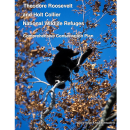
Heads-up to Theodore Roosevelt NWR users:
The two tracts of the refuge west of Omega Road will remain closed to all public use. The tract east of Omega Road will open according to the regulations in the 2026-2027 TR NWR Complex Annual Public Use Brochure.
Please see the attached image.
Visit Us
National wildlife refuges offer us all a chance to unplug from the stresses of daily life and reconnect with our natural surroundings.
Theodore Roosevelt NWR is now open to public visitation opportunities. Please check the regulations in the current TR NWR Complex Public Use Regulations Brochure.
Theodore Roosevelt NWR Visitor Center off highway 61 near Onward, MS is now open public visitation on Wednesdays from 9:00 am - 2:00 pm.
Location and Contact Information
About Us
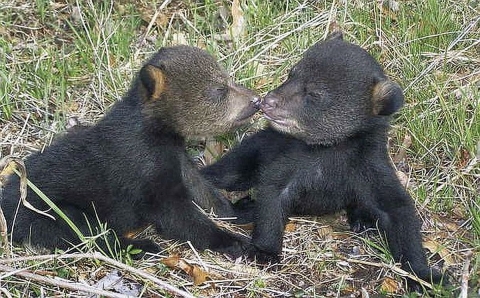
Theodore Roosevelt NWR is located near the site of President Roosevelt’s famous Mississippi bear hunt held in 1902.
Louisiana black bears, a subspecies of the American black bear, were once extremely common throughout Mississippi, Louisiana, and Texas. President Roosevelt came as the guest of a prominent plantation owner to hunt in southern Sharkey County. Holt Collier, a famous African American bear hunter and outdoorsman, was hired to guide the president on the hunt.
Although some details of the story have become obscured over time, the main details are almost universally agreed upon. Holt Collier’s dogs quickly located a bear and the president and his companion were told to wait on the edge of a canebrake for the bear to come out. When it seemed the dogs were moving in a different direction, President Roosevelt went back to camp for lunch. When the dogs finally cornered the bear, Collier jumped off of his horse and hit the bear in the head with the stock of his rifle, leaving the bear stunned. He then tied a rope around the bear and sent for the president.
When the president arrived, he found a bear that was still knocked senseless. President Roosevelt felt it would be unethical and unsportsmanlike to shoot the bear and refused, despite the urging of his companions. When the national press got word of the story, the news went wild in news stories and cartoons. A toy shop owner in New York decided to stuff toy bears and call them “Teddy’s Bears,” creating an American icon that has lasted for over a century.
Our Organization
Our Species
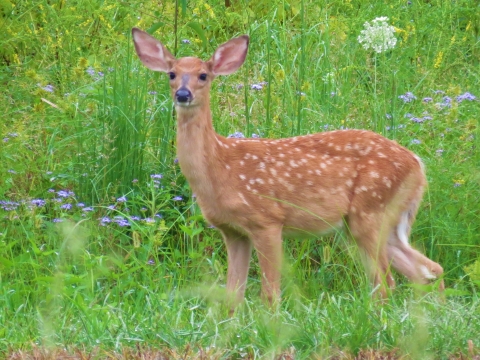
A variety of wildlife call Theodore Roosevelt National Wildlife Refuge home. This includes migratory and resident wildlife, as well as native plant communities.
Our Library
Our digital library is a one stop shop for management plans, coloring books, and other refuge documents as they are developed.